Poland is located in Central Europe, between the Baltic Sea in the north and the mountain ranges of the Carpathians and Sudetes in the south. For international students, it offers a combination of large academic cities, historic university centres, modern infrastructure and easy access to other European destinations.
Whether you study in a major city or a smaller academic centre, living in Poland also gives you the opportunity to explore different regions, landscapes and cultures during your stay.
Poland at a glance
A few useful facts to know before you arrive.
Official name
Republic of Poland
Rzeczpospolita Polska
Capital
Warsaw (Warszawa)
Population
Approximately 37.3 million
Official language
Polish
Currency
Polish złoty (PLN)
1 złoty = 100 groszy
Time zone
Central European Time (CET)
UTC+1 / UTC+2 during daylight saving time
Calling code
+48
Internet domain
.pl
Location: Poland shares land borders with Germany, the Czech Republic, Slovakia, Ukraine, Belarus, Lithuania and the Russian territory of the Królewiec/Kaliningrad region. Its northern coast lies on the Baltic Sea.
Climate: Poland has four distinct seasons. Summers can be warm, winters are generally cold, and weather conditions vary between the Baltic coast, central Poland and the mountain regions in the south.
Explore Poland’s major student cities
Poland’s academic centres combine universities, student life, culture and very different local identities.
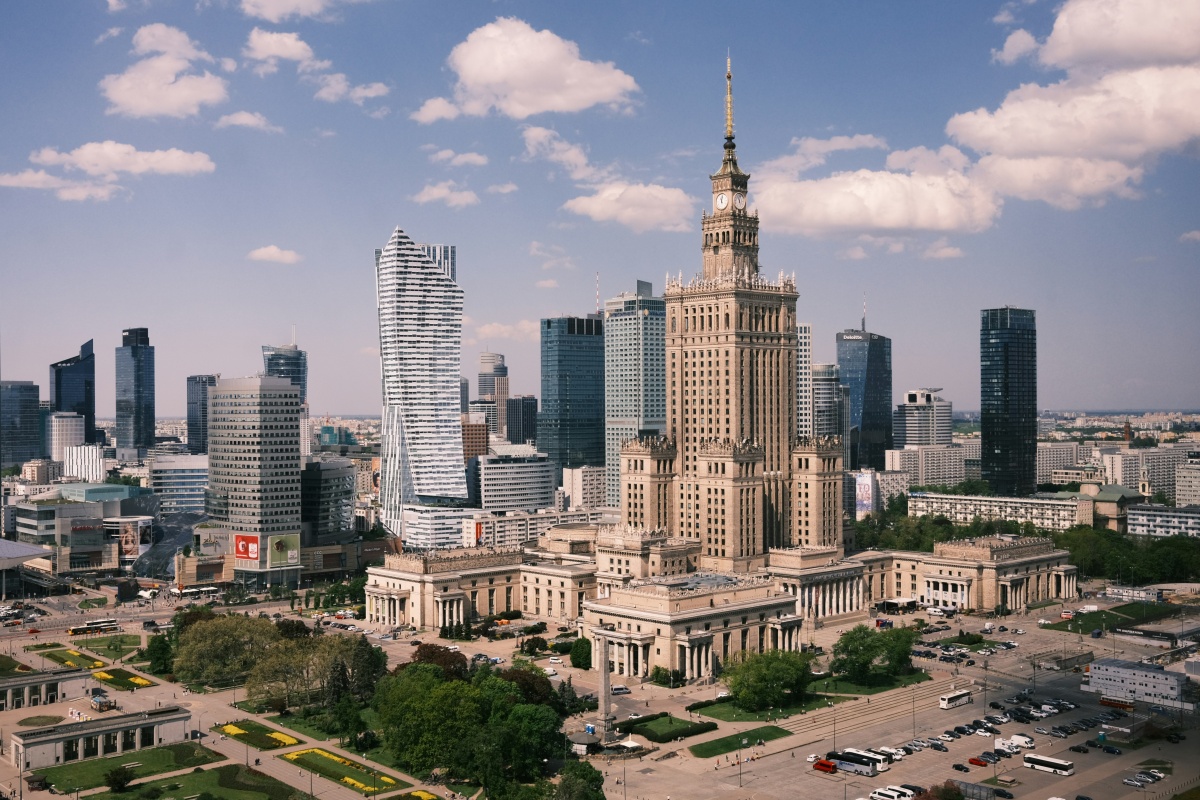
Warsaw is the capital and largest city of Poland, with around 1.87 million residents. It is one of the country’s main academic, economic and cultural centres.
The city combines reconstructed historical areas with modern business districts, museums, parks and a large public transport network. Its universities and research institutions attract students from across Poland and abroad.
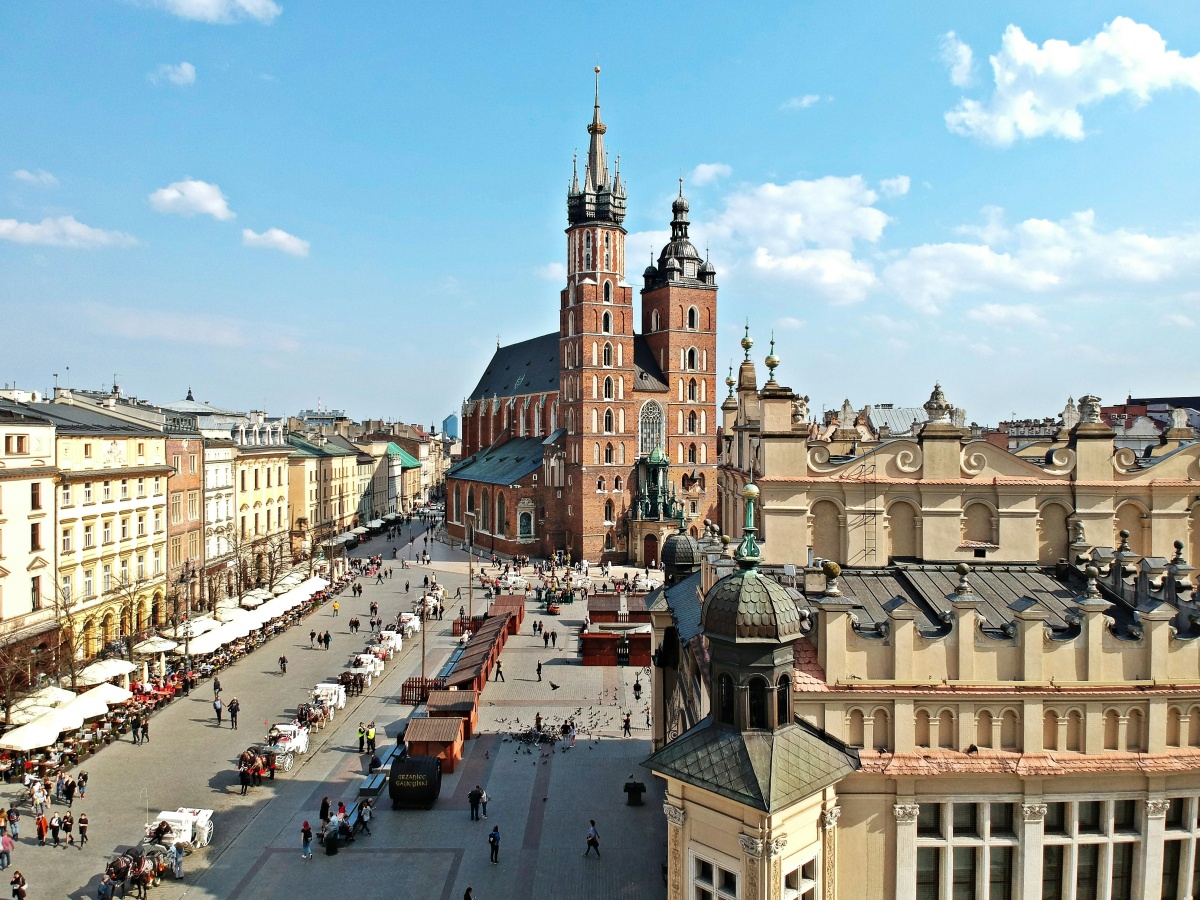
Kraków is one of Poland’s oldest cities and one of its best-known academic centres. It was the historic capital of Poland and remains closely associated with the country’s cultural and intellectual heritage.
The city is home to Jagiellonian University, founded in 1364, as well as several other higher education institutions. Its historic centre, cultural scene and large student community make Kraków one of Poland’s most popular university cities.
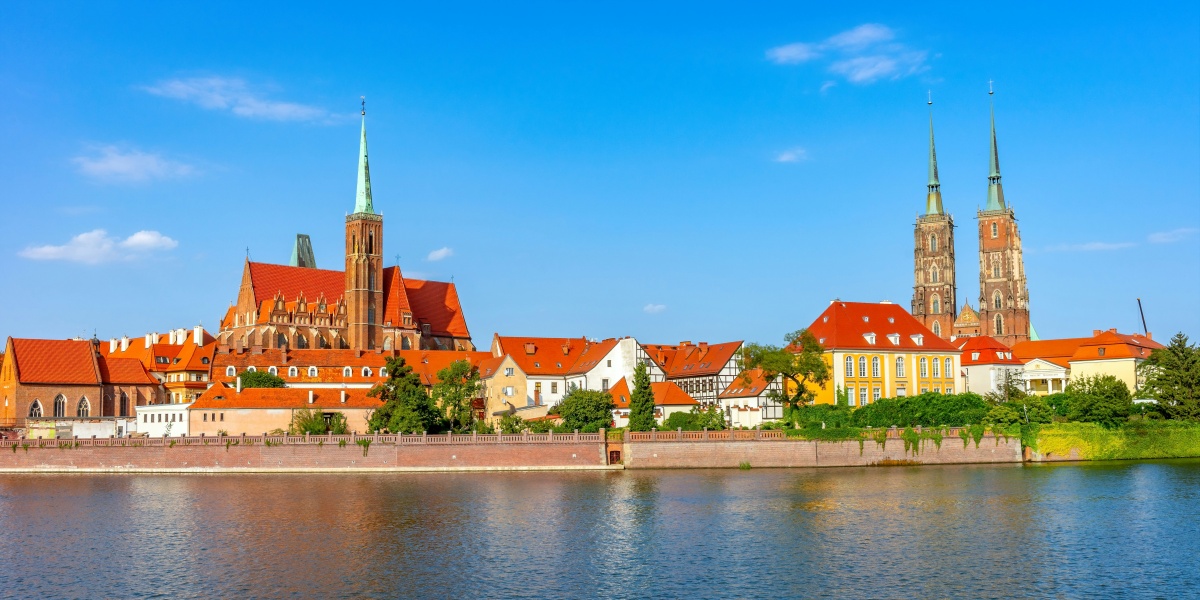
Wrocław is the largest academic and economic centre in south-western Poland. The city is known for its historic centre, bridges, islands and location on the Oder River.
With a large student population and numerous universities, Wrocław combines academic life with an active cultural scene, international businesses and easy connections to other parts of Central Europe.
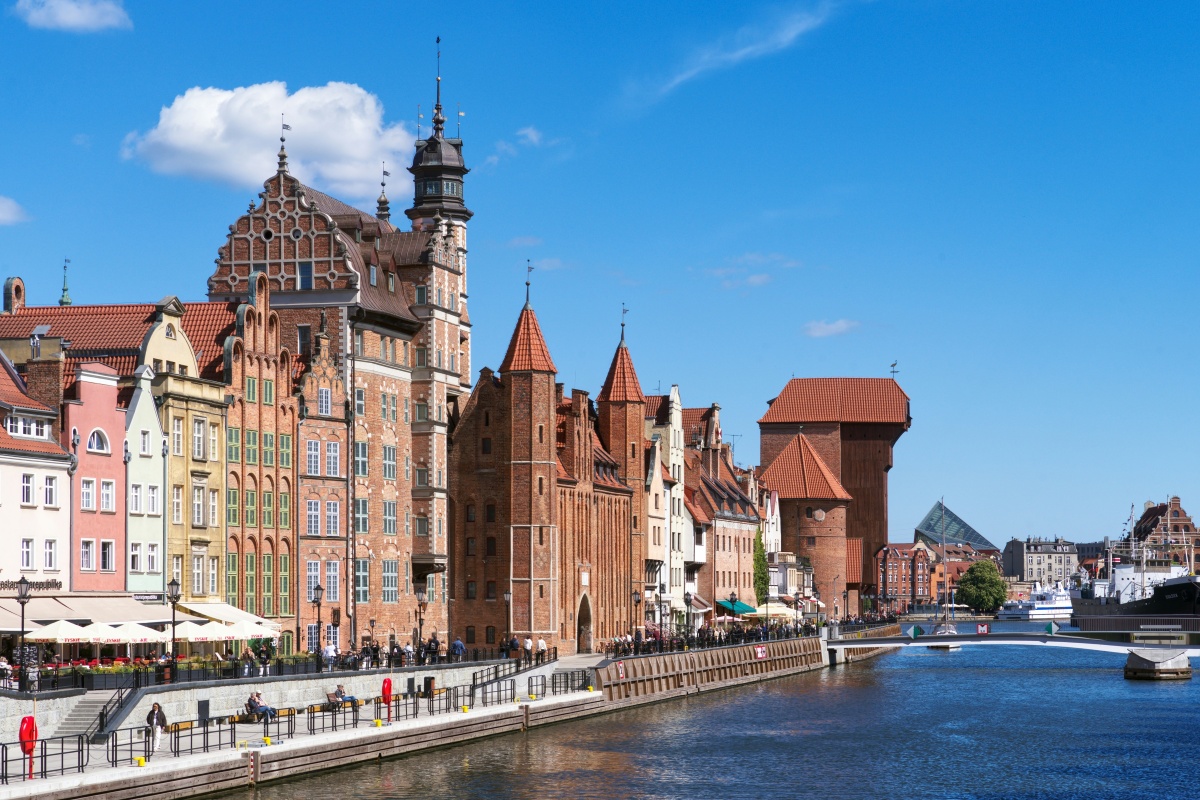
Gdańsk is a major Baltic port and part of the Tricity metropolitan area together with Gdynia and Sopot. It combines maritime history, beaches, modern business districts and a strong academic community.
The city also has an important place in modern European history as the birthplace of the Solidarity movement. Students can enjoy both urban life and easy access to the Baltic coast.
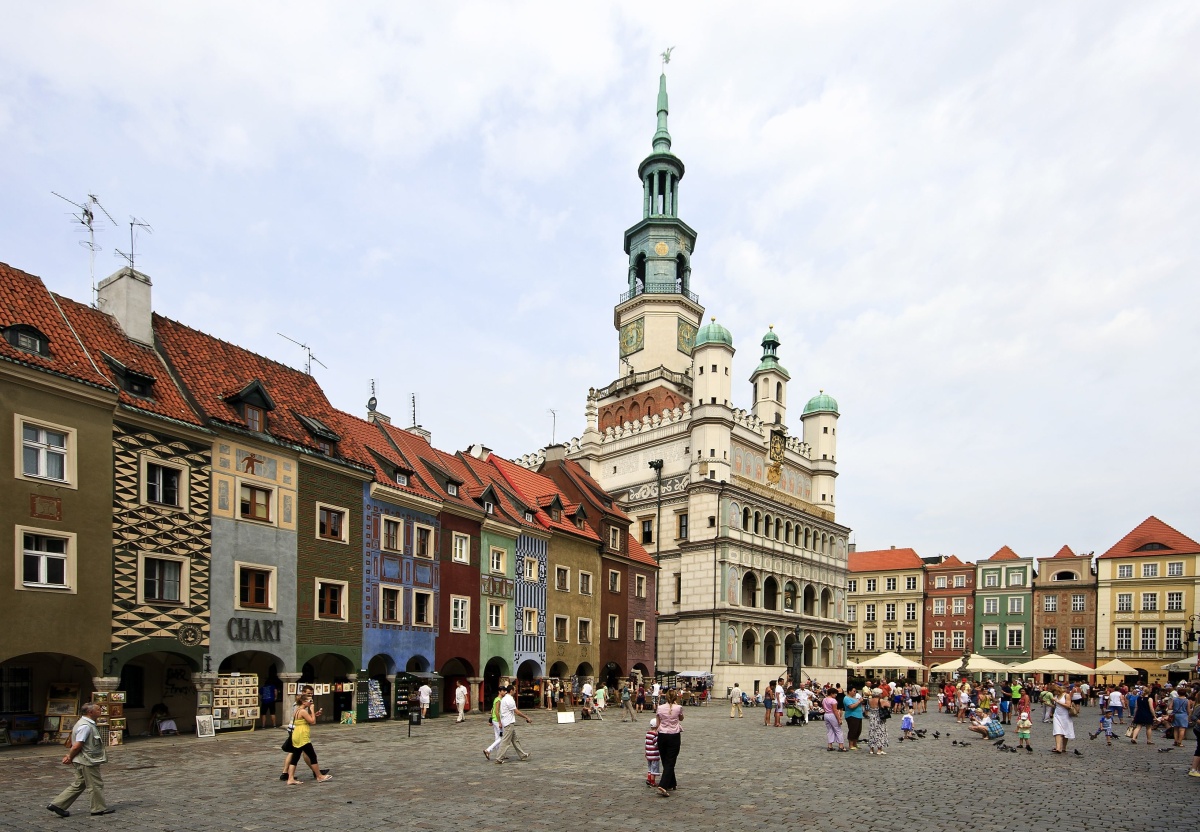
Poznań is one of Poland’s oldest cities and an important academic, business and trade centre in western Poland.
It is home to several major higher education institutions and the Poznań International Fair. The city combines a historic centre with a strong economy, student life and good transport connections to other Polish and European cities.
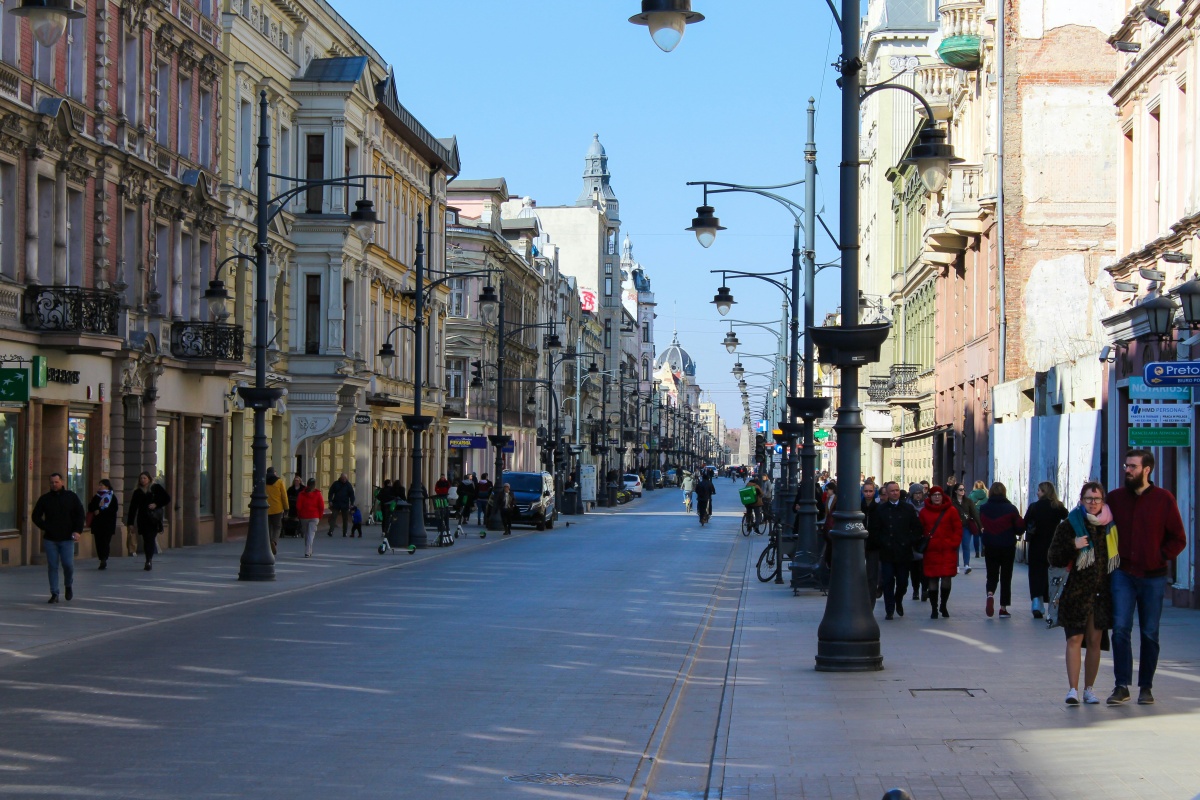
Łódź is located in central Poland and is known for its industrial heritage, particularly its historic textile industry. Former factories and industrial buildings have become an important part of the city’s contemporary cultural and creative identity.
Łódź is also a major university city and an important centre for film and the creative industries, with institutions including the internationally recognised Łódź Film School.
Want to explore more? Poland has academic centres across the country, including Lublin, Katowice, Toruń, Szczecin, Rzeszów, Białystok and many others. You can explore Polish cities and regions on the official Poland Travel website.
Population data: Statistics Poland, 2025.